Lịch sử hình thành/ Foundation and Development
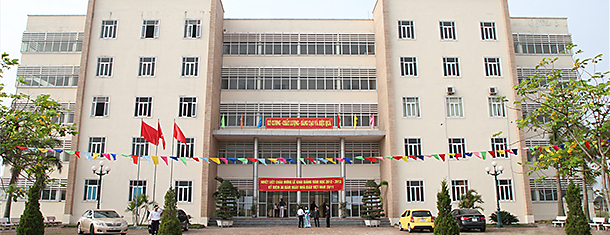
Trường Trung cấp Kỹ thuật - Nghiệp vụ Hải Phòng là đơn vị sự nghiệp công lập trực thuộc Bộ Xây Dựng, được thành lập trên cơ sở Trường Công nhân Kỹ thuật - Bồi dưỡng Nghiệp vụ Xây dựng An Dương thuộc Tổng công ty Xây dựng Bạch Đằng mà tiền thân là Trường đào tạo công nhân chuyên nghiệp thuộc Công ty Kiến trúc Hải Phòng. HaiPhong Technical - Professional Training College (TPC) is originally known as Worker Training School (under the management of Hai Phong Architect Company, in 1964) and An Duong Technical - Vocational Training School (under the management Bach Dang Construction Corporation).
Xem thêm
 (1).jpg)
.jpg)

Tin nội bộ
-
-
Trường Trung cấp Kỹ thuật - Nghiệp vụ Hải Phòng tổ chức Lễ khai giảng năm học 2023-2024 và Kỷ niệm 41 năm ngày Nhà giáo Việt Nam (20/11/1982-20/11/2023)
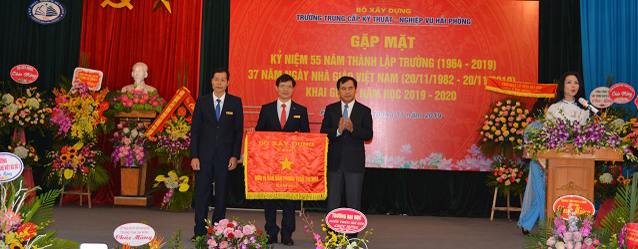
Hòa chung trong không khí cả nước hân hoan, phấn khởi chào mừng kỷ niệm 41 năm ngày nhà giáo Việt Nam (20/11/1982 – 20/11/2023); được sự đồng ý của lãnh đạo Bộ Xây dựng, sáng ngày 17/11/2023, Trường Trung cấp Kỹ thuật – Nghiệp vụ Hải Phòng đã long trọng tổ chức Lễ khai giảng năm học 2023-2024; kỷ niệm 41 năm ngày Nhà giáo Việt Nam (20/11/1982-20/11/2023).
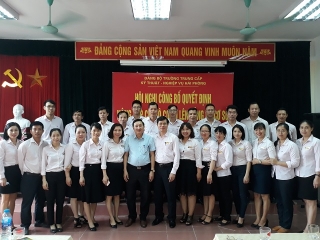
- HỘI NGHỊ CÔNG BỐ CÁC QUYẾT ĐỊNH VỀ CÔNG TÁC CÁN BỘ

- Chào mừng kỷ niệm 93 năm ngày Phụ nữ Việt Nam 20-10
- HOẠT ĐỘNG ĐOÀN CHÀO MỪNG NĂM HỌC MỚI 2023 - 2024
- Thông báo Tuyển dụng viên chức sự nghiệp đợt II năm 2023
- Lễ Bế giảng và trao Chứng chỉ tốt nghiệp lớp sơ cấp CTN-NH06
- Tổ chức Nhập học và sinh hoạt Chính trị cho học sinh khoá 51 Trình độ Trung cấp
- Lễ Bế giảng lớp Cấp thoát nước 40 khóa 49 trình độ Trung cấp
- Hội giảng giáo viên cấp trường năm học 2023
- Lễ Bế giảng và trao bằng tốt nghiệp cho học sinh các lớp Trung cấp Khóa K48 niên khoá 2020 - 2023
- Hội nghị Sơ kết giữa nhiệm kỳ thực hiện Nghị quyết đại hội Đảng bộ lần thứ XVI, nhiệm kỳ 2020-2025
- Đại hội Công đoàn Trường Trung cấp Kỹ thuật - Nghiệp vụ Hải Phòng lần thứ XVII, nhiệm kỳ 2023-2028
- Thông báo Tuyển dụng viên chức năm 2023
- HOẠT ĐỘNG ĐOÀN THÁNG THANH NIÊN
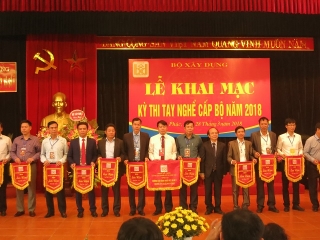
- Khai mạc Kỳ thi học sinh giỏi cấp trường năm học 2022 – 2023
- Lễ khai mạc Kỳ thi tốt nghiệp khoá 48, trình độ Trung cấp
- Gặp mặt kỷ niệm Ngày quốc tế Phụ nữ 8-3 và Tuyên truyền giới tính cho trẻ vị thành niên
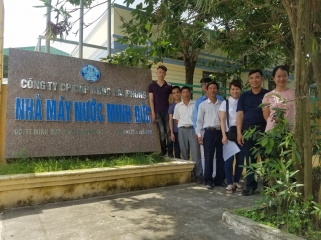
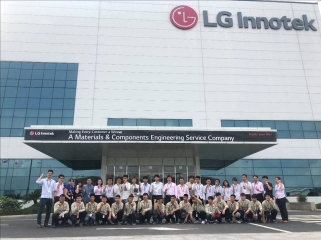
- THANH NIÊN TRƯỜNG THAM QUAN - HỌC TẬP THỰC TẾ TẠI XÍ NGHIỆP SẢN XUẤT NƯỚC AN DƯƠNG
- xóc đĩa đổi thưởng social.bet TRÌNH ĐỘ TRUNG CẤP NĂM 2023
- Hội nghị Tổng kết công tác xóc đĩa đổi thưởng social.bet , giới thiệu việc làm năm 2022 - Triển khai nhiệm vụ xóc đĩa đổi thưởng social.bet , giới thiệu việc làm năm 2023
- Gặp mặt Hội cựu giáo chức Trường Trung cấp Kỹ thuật – Nghiệp vụ Hải Phòng Xuân Quý Mão năm 2023
- ĐOÀN TRƯỜNG TỔ CHỨC NGÀY HỘI VẼ TRANH MỪNG ĐẢNG - MỪNG XUÂN QUÝ MÃO 2023
- Tập thể Cán bộ, Viên chức Trường Trung cấp Kỹ thuật - Nghiệp vụ Hải Phòng tổ chức buổi gặp mặt đầu xuân Quý Mão 2023
- Hội nghị viên chức tổng kết thực hiện nhiệm vụ năm 2022; triển khai nhiệm vụ năm 2023
- HỘI NGHỊ TỔNG KẾT CÔNG TÁC ĐOÀN NĂM 2022 VÀ PHƯƠNG HƯỚNG NHIỆM VỤ NĂM 2023
- ĐOÀN TRƯỜNG TỔ CHỨC DÂNG HƯƠNG, DỌN DẸP NGHĨA TRANG LIỆT SỸ PHƯỜNG ĐỒNG HÒA
- Trường Trung cấp Kỹ thuật - Nghiệp vụ Hải Phòng tổ chức Lễ khai giảng năm học 2022-2023 và Kỷ niệm 40 năm ngày Nhà giáo Việt Nam (20/11/1982-20/11/2022)
- GIẢI BÓNG ĐÁ HỌC SINH - SINH VIÊN TRƯỜNG TRUNG CẤP KỸ THUẬT - NGHIỆP VỤ HẢI PHÒNG NĂM 2022
- Thông báo tuyển dụng viên chức sự nghiệp năm 2022
- ĐẢNG BỘ TRƯỜNG TRUNG CẤP KỸ THUẬT – NGHIỆP VỤ HẢI PHÒNG CHUYỂN VỀ TRỰC THUỘC ĐẢNG ỦY KHỐI DOANH NGHIỆP TP HẢI PHÒNG; TỔ CHỨC THÀNH CÔNG ĐẠI HỘI CÁC CHI BỘ LẦN THỨ II, NHIỆM KỲ 2022-2025
- Biểu dương Học sinh 3 tốt, Học sinh 3 rèn luyện cấp thành phố năm học 2021 - 2022
- Lễ Bế giảng, trao bằng tốt nghiệp và giới thiệu việc làm cho học sinh trình độ Trung cấp niên khoá 2019-2022
- Ban Văn Hóa – Xã Hội HĐND thành phố Hải Phòng làm việc với trường Trung Cấp Kỹ Thuật – Nghiệp Vụ Hải Phòng về tình hình thực hiện các quy định của pháp luật về công tác đào tạo nghề và bố trí việc làm
- Hội giảng Giáo viên năm 2022
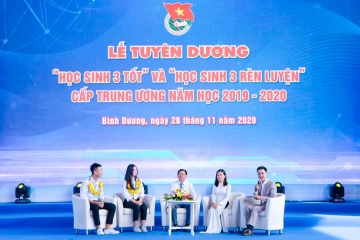
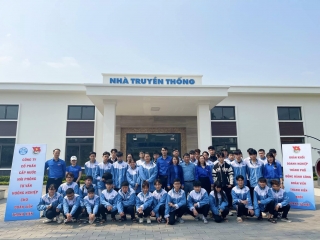
- Tuyên dương ‘Học sinh 3 tốt, 3 rèn luyện
- Xem thêm
.jpg)
-
THÔNG BÁO xóc đĩa đổi thưởng social.bet VỪA HỌC VĂN HÓA THPT VỪA HỌC TRUNG CẤP NGHỀ NĂM 2023
20-02-2023 12:00:00
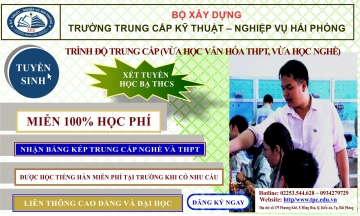
xóc đĩa đổi thưởng social.bet và đào tạo trình độ Trung cấp với đối tượng học sinh tốt nghiệp THCS vừa học Văn hóa THPT vừa học trung cấp nghề năm 2023
-
KHAI GIẢNG LỚP SƠ CẤP NGHỀ CẤP, THOÁT NƯỚC (ĐỢT 1) NĂM 2023
10-03-2023 12:00:00
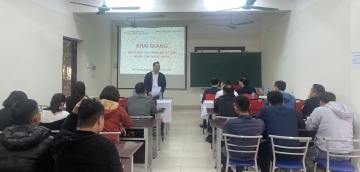
Trường Trung cấp Kỹ thuật- Nghiệp vụ Hải phòng phối hợp với Công ty cổ phần Cấp nước Hải phòng tổ chức Lễ khai giảng lớp đào tạo sơ cấp nghề cấp, thoát nước (đợt 1) cho học viên là CB, CNV của công ty Cổ phần Cấp nước Hải Phòng.
-
xóc đĩa đổi thưởng social.bet đại học Vừa học vừa lam năm 2021
23-02-2021 12:00:00
THÔNG BÁO xóc đĩa đổi thưởng social.bet đại học Vừa học vừa làm năm 2021
-
Mở các lớp bồi dưỡng nghiệp vụ về xây dựng tại Hải Phòng
09-07-2015 12:00:00

Căn cứ Nghị định số 113/2009/NĐ-CP của Chính phủ về giám sát và đánh giá đầu tư; Thông tư số 23/2010/TT-BKH của Bộ trưởng Bộ Kế hoạch và Đầu tư quy định điều kiện năng lực của tổ chức và cá nhân thực hiện tư vấn đánh giá dự án đầu tư.
-
xóc đĩa đổi thưởng social.bet đào tạo liên thông từ TCCN lên cao đẳng, đại học năm 2013
09-07-2015 01:53:40

Trường Trung cấp Kỹ thuật - Nghiệp vụ Hải Phòng liên kết với trường Đại học Tài nguyên và Môi trường, trường Cao đẳng Xây dựng số 1. xóc đĩa đổi thưởng social.bet và tổ chức đào tạo liên thông hệ Cao đẳng, năm 2013
-
Thông báo về việc tổ chức lớp huấn luyện an toàn lao động, vệ sinh lao động
09-07-2015 12:00:00
.jpg)
Trường Trung cấp kỹ thuật – Nghiệp vụ Hải Phòng xin thông báo mở các lớp Huấn luyện An toàn lao động và vệ sinh lao động theo thông tư số 27/2013/TT-BLĐTBXH
-
HỘI NGHỊ TƯ VẤN GIỚI THIỆU VIỆC LÀM, DU HỌC, XUẤT KHẨU LAO ĐỘNG TẠI NHẬT BẢN NĂM 2023
10-03-2023 12:00:00
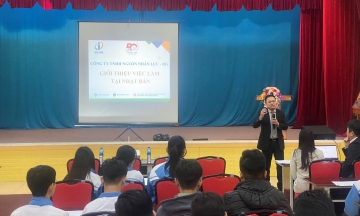
Trường Trung cấp Kỹ thuật – Nghiệp Vụ Hải Phòng phối hợp với cùng với Công ty TNHH Nguồn nhân lực – IIG; Công ty TNHH OS Power Việt Nam, tổ chức Hội nghị tư vấn giới thiệu việc làm, du học, xuất khẩu lao động sang Nhật Bản.
-
THÔNG BÁO TUYỂN DỤNG LAO ĐỘNG THÁNG 10,11 NĂM 2022
21-10-2022 12:00:00
Trường Trung cấp Kỹ thuật – Nghiệp vụ Hải Phòng phối hợp với các Doanh nghiệp tuyển dụng lao động với nội dung sau:
-
Xuất khẩu lao động
10-08-2015 12:00:00
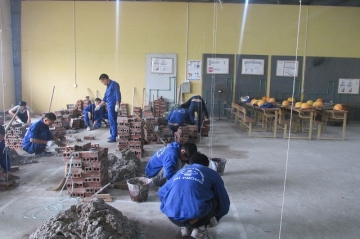
Xuất khẩu lao động
-
Chương trình thực hành tiết kiệm, chống lãng phí 2022
02-06-2022 12:00:00

Quyết định số 185A/QĐ-TCKT ngày 25/6/2022 về việc ban hành Chương trình thực hành tiết kiệm, chống lãng phí 2022
-
Báo cáo tự đánh giá chất lượng GDNN và chương trình đào tạo nghề trọng điểm Quốc gia năm 2021
27-12-2021 12:00:00

Trương Trung cấp Kỹ thuật - Nghiệp vụ Hải Phòng công khai Báo cáo tự đánh giá kiểm định chất lượng GDNN và chương trình đào tạo nghề trọng điểm Quốc gia năm 2021. Toàn bộ nội dung báo cáo truy cập đường Link phía dưới:
-
Nhiều điểm mới trong quy định xóc đĩa đổi thưởng social.bet giáo dục nghề nghiệp năm 2019
25-04-2019 12:00:00
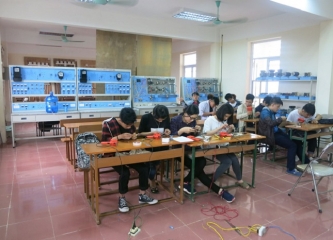
Bộ Lao động - Thương binh và Xã hội vừa ban hành Thông tư số 07/2019/TT-BLĐTBXH ngày 07 tháng 03 năm 2019 về việc sửa đổi, bổ sung một số điều của Thông tư số 05/2017/TT-BLĐTBXH của Bộ trưởng Bộ Lao động - Thương binh và Xã hội quy định Quy chế xóc đĩa đổi thưởng social.bet và xác định chỉ tiêu xóc đĩa đổi thưởng social.bet trình độ trung cấp, cao đẳng.
-
V/v tổ chức lấy ý kiến đối với Dự thảo Bộ luật Hình sự (sửa đổi)
31-08-2015 12:00:00
.jpg)
Thực hiện Quyết định số 926/QĐ-BXD ngày 18/8/2015 của Bộ trưởng Bộ Xây dựng ban hành Kế hoạch của Bộ Xây dựng về việc tổ chức lấy ý kiến vào Dự thảo Bộ luật Hình sự (sửa đổi). Phòng Tổng hợp kính đề nghị các Phòng, Khoa, Tổ bộ môn nghiên cứu và đóng góp ý kiến dự thảo Bộ luật Hình sự (sửa đổi) và những vấn đề trọng tâm được xác định trong Phụ lục I kèm theo quyết định số 1076/QĐ-TTg ngày 14/7/2015 của Thủ tướng chính phủ.
-
Công khai Dự toán ngân sách 2023
12-01-2023 12:00:00

Công khai Dự toán ngân sách 2023
-
Một số văn bản pháp luật về thực hiện đề án: "Xây dựng xã hội học tập giai đoạn 2021 - 2030"
10-12-2021 12:00:00

Nhằm nâng cao nhận thức, trách nhiệm của các ngành, các cấp và các tầng lớp nhân dân trong việc thực hiện đường lối, chủ trương của Đảng, chính sách, pháp luật của Nhà nước về sự nghiệp đổi mới căn bản, toàn diện giáo dục và đào tạo; về xây dựng xã hội học tập Đề án: "Xây dựng xã hội học tập giai đoạn 2021 - 2030" nhằm vận động toàn dân tích cực tham gia phong trào thi đua về công tác xây dựng xã hội học tập, góp phần nâng cao dân trí, đào tạo nguồn nhân lực cho thành phố và đất nước.
-
Giải thưởng Nhân tài Đất Việt - đổi mới và thiết thực hơn cho xã hội
08-10-2015 12:00:00
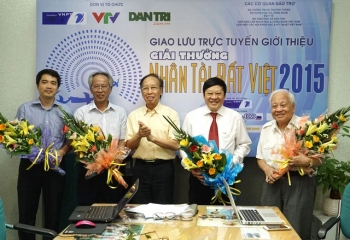
Qua 1 thập kỷ, Giải thưởng Nhân tài Đất Việt tiếp tục chứng tỏ sức sống mãnh liệt của giải thưởng cũng như ý nghĩa của giải thưởng đối với xã hội. Nhiều sản phẩm, công trình được giải cao NTĐV đã tiếp tục vươn xa, chinh phục những đỉnh cao thế giới. Giải thưởng cũng đang đổi mới từng ngày, phục vụ lợi ích cho xã hội.
-
Chính trị - Xã hội
05-08-2015 12:00:00
.jpg)
Chính trị xã hội
xóc đĩa đổi thưởng social.bet
- KHAI GIẢNG LỚP SƠ CẤP NGHỀ CẤP, THOÁT NƯỚC (ĐỢT 1) NĂM 2023
- THÔNG BÁO xóc đĩa đổi thưởng social.bet VỪA HỌC VĂN HÓA THPT VỪA HỌC TRUNG CẤP NGHỀ NĂM 2023
- xóc đĩa đổi thưởng social.bet TRÌNH ĐỘ TRUNG CẤP NĂM 2023
- THÔNG BÁO xóc đĩa đổi thưởng social.bet TRÌNH ĐỘ TRUNG CẤP NĂM 2023
- THÔNG BÁO xóc đĩa đổi thưởng social.bet VÀ ĐÀO TẠO TRÌNH ĐỘ SƠ CẤP NĂM 2023
- Hội nghị Tổng kết công tác xóc đĩa đổi thưởng social.bet , giới thiệu việc làm năm 2022 - Triển khai nhiệm vụ xóc đĩa đổi thưởng social.bet , giới thiệu việc làm năm 2023
- QUY CHẾ xóc đĩa đổi thưởng social.bet NĂM 2023
- THÔNG BÁO xóc đĩa đổi thưởng social.bet VÀ ĐÀO TẠO TRÌNH ĐỘ SƠ CẤP
- THÔNG BÁO xóc đĩa đổi thưởng social.bet VÀ ĐÀO TẠO TRÌNH ĐỘ TRUNG CẤP NĂM 2022
- THÔNG BÁO xóc đĩa đổi thưởng social.bet Sơ cấp nghề Điện dân dụng khoá 6 với Hiệp hội Năng lượng KBG Pháp (ESF)
- xóc đĩa đổi thưởng social.bet đối tượng THCS vào học văn hoá THPT và học trình độ Trung cấp nghề năm 2021
- Thông báo xóc đĩa đổi thưởng social.bet trung cấp năm 2021
- THÔNG BÁO xóc đĩa đổi thưởng social.bet VÀ ĐÀO TẠO TRÌNH ĐỘ SƠ CẤP NĂM 2021
- xóc đĩa đổi thưởng social.bet đại học Vừa học vừa lam năm 2021
- QUY CHẾ xóc đĩa đổi thưởng social.bet TRÌNH ĐỘ TRUNG CẤP, SƠ CẤP NĂM 2021
- QUY CHẾ xóc đĩa đổi thưởng social.bet TRÌNH ĐỘ TRUNG CẤP, SƠ CẤP NĂM 2022
-
-
Hỗ trợ 1
-
-
Hỗ trợ 2
- 02253.544.628
- 0934509009
- 02253.544.629
- 0934279729
Thông báo
video
Khảo sát
Bạn biết đến trang web thông qua đâu?
Gửi ý kiến
Thống kê truy cập
-
Truy cập:
Liên kết website